Looking for 100 things to declutter without turning it into a full-house project?
This list is split by room, so you can choose one area and start there.
You do not need to do all 100 things at once.
Pick the section that feels most useful today, work through a few items, and stop before it becomes overwhelming.
Most of the things on this list are small items that build up quietly over time: old food, extra bags, broken pens, clothes that no longer fit, toys with missing parts and paperwork you no longer need.
The aim is not to get rid of as much as possible.
The aim is to make everyday spaces easier to use.
Decluttering before Christmas?
You do not need to clear the whole house before Christmas.
Start with the places that will make the next few weeks easier:
- toys before new presents arrive
- the kitchen before the big food shop
- coats and bags before guests
- gift bags or wrapping paper before you buy more.
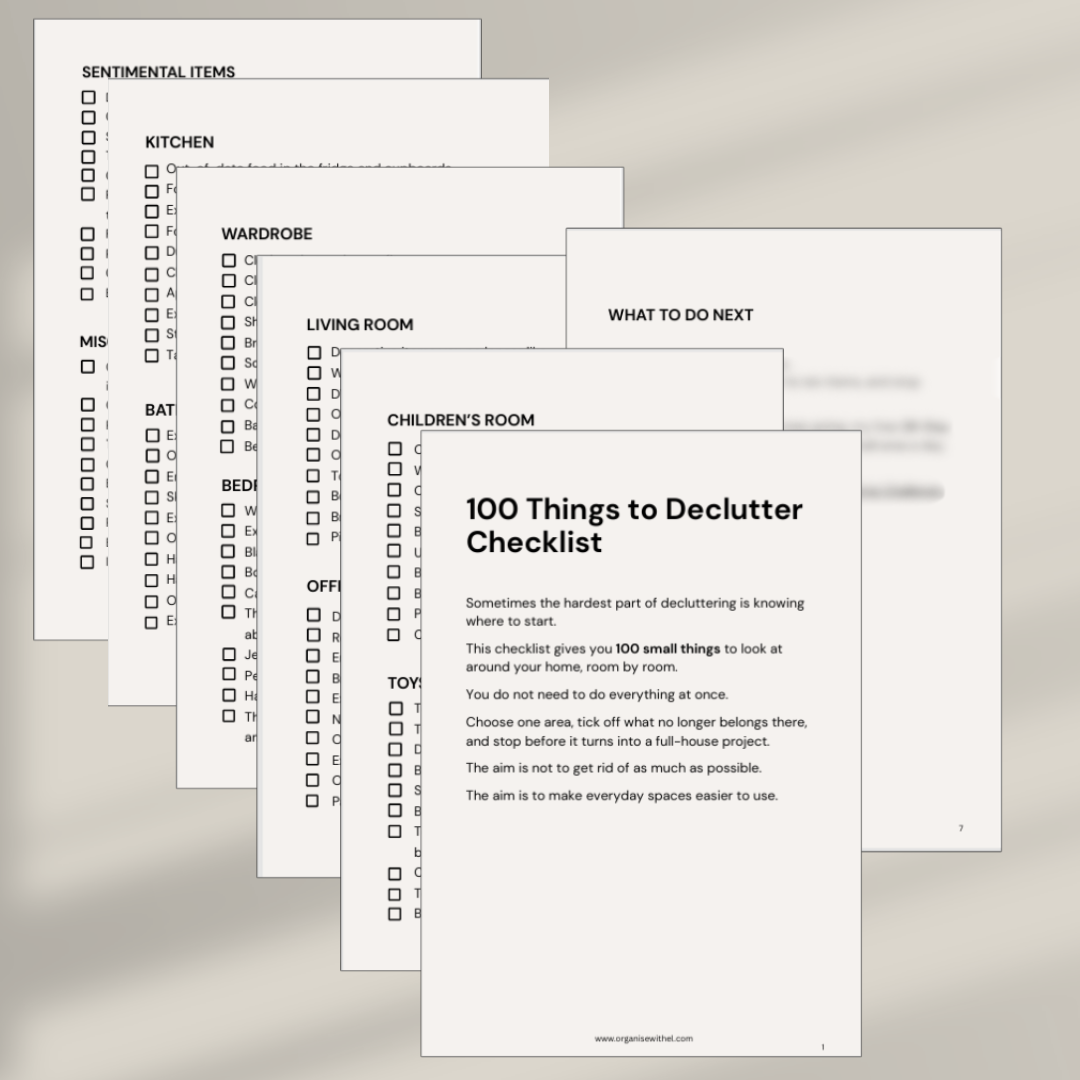
Want this as a printable checklist with tick boxes?
You can get the free printable version further down the page.
How to Use This List
Start with one room, not the whole house.
Work through the items that apply to your home, and leave anything that needs more thought for later.
This list is here to give you a starting point, not another job to finish in one go.
1–10: Kitchen
The kitchen is a good place to start because small things build up quickly: food, containers, mugs, utensils and items kept just in case.
Before throwing food away, check the difference between use-by and best-before dates. Food past its use-by date should not be eaten. Food past its best-before date may still be safe, but if you know you will not realistically use it, it may be time to let it go.
- Out-of-date food in the fridge and cupboards
- Forgotten food at the back of the freezer
- Expired spices or herbs
- Food containers with no lid, or lids with no container
- Duplicate cooking utensils
- Chipped plates, bowls or mugs
- Appliances you never use
- Excess water bottles
- Stained or worn-out tea towels
- Takeaway menus and leaflets you never use
11–20: Bathroom
The bathroom is another easy place to start because many items are small, but they still take up space in drawers, cupboards and shower shelves.
Check anything that has expired, anything you tried but do not use, and anything that is empty but still sitting there.
11. Expired toiletries
12. Old makeup
13. Empty shampoo, conditioner or soap bottles
14. Skincare products you tried but do not use
15. Expired medication to return to a pharmacy
16. Old or worn-out towels
17. Hair tools you never use
18. Half-used beauty samples
19. Old razors or razor heads
20. Expired sunscreen
21–30: Wardrobe
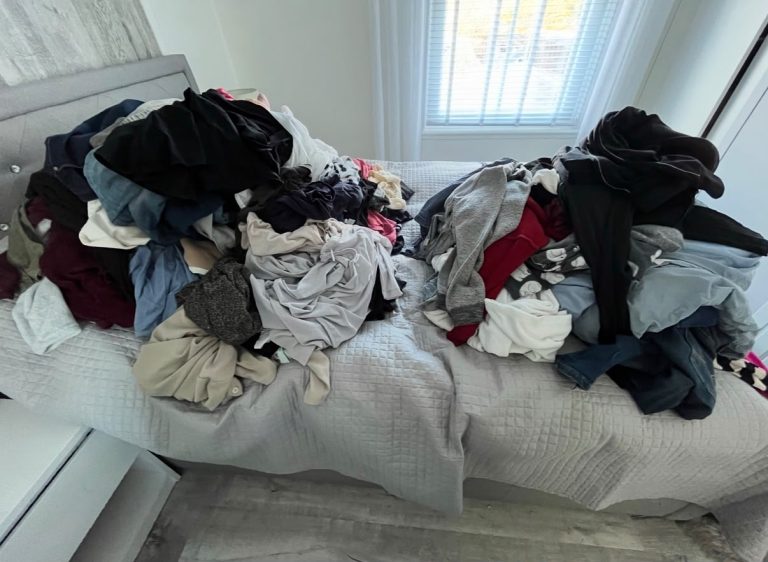
The wardrobe is not just about clothes you do not like anymore.
It is also worth looking for clothes that no longer fit, items you keep avoiding, shoes that hurt, and accessories you never actually reach for.
You do not need to make a decision about every item you own. Start with the obvious ones.
21. Clothes that no longer fit
22. Clothes you have not worn in over a year
23. Clothes with stains, holes or damage you will not repair
24. Shoes you never wear or that are uncomfortable
25. Broken or mismatched hangers
26. Socks with holes or no match
27. Worn-out underwear
28. Coats or jackets you no longer wear
29. Bags or purses you do not use
30. Belts, scarves or accessories you never reach for
31–40: Bedroom
The bedroom often collects things quietly because it is easy to put something down “just for now” and deal with it later.
Start with the things that are taking up space but not helping the room feel easier to use: bedding you do not need, books you are not going to read, items hidden under the bed, or things that keep moving from one surface to another.
31. Worn-out bedding
32. Extra pillows you do not use
33. Blankets taking up space but rarely used
34. Books on the bedside table you are not going to read
35. Candles you no longer use
36. Things stored under the bed that you had forgotten about
37. Jewellery you do not wear or that is broken
38. Perfume and body sprays you no longer use
39. Hair accessories you do not use, such as clips, bands or scrunchies
40. Things that keep moving from one bedroom surface to another
41–50: Living Room
The living room can easily collect things that belong somewhere else, especially if it is the place everyone uses most.
Start with anything that no longer feels useful, comfortable or worth keeping in the room: decorations you no longer like, old media, unused games, dead batteries or things that have drifted in from other parts of the house.
41. Decorative items you no longer like
42. Worn-out cushions or throws
43. DVDs or CDs you never watch or listen to
44. Old remote controls
45. Dead batteries
46. Outdated magazines
47. Toys that do not belong in the living room
48. Board games or puzzles no one uses
49. Broken lamps or lights
50. Picture frames you no longer want to display
51–60: Office and Paperwork
Paperwork can feel harder to declutter because some of it needs checking before you can let it go.
Start with the obvious papers first: receipts you no longer need, old documents, expired coupons, empty folders and piles that have already been dealt with.
If you are unsure about important paperwork, leave it for later rather than getting stuck.
51. Documents you no longer need
52. Receipts you do not need anymore
53. Empty folders and files you do not use
54. Broken pens or highlighters
55. Excess paperclips, rubber bands or clips
56. Notebooks you started but will not use
57. Old diaries or planners
58. Expired coupons or gift cards
59. Outdated business cards
60. Paper piles that have already been dealt with
61–70: Children’s Room
Children’s rooms can fill up quickly because clothes, school papers, artwork and small things often change faster than the space does.
Start with anything your child has clearly outgrown, stopped using or no longer wants. You do not need to make decisions about sentimental items first.
61. Outgrown clothes and pyjamas
62. Worn-out shoes
63. Outgrown coats, wellies and school uniform
64. School papers you do not need to keep
65. Broken or dried-out art supplies
66. Unused backpacks or school bags
67. Bedding your child no longer uses
68. Books your child has outgrown
69. Posters or wall art they no longer want
70. Craft projects and artwork piling up
71–80: Toys
Before birthdays or Christmas is a good time to go through toys because new ones are about to arrive.
Start with the obvious things first: broken toys, duplicates, toys with missing parts and small items that are only being kept because they are already there.
- Toys, games or puzzles with missing parts
- Toys they have outgrown or lost interest in
- Duplicate toys
- Broken or damaged toys
- Soft toys and dolls they no longer play with
- Battery-operated toys that no longer work
- Toy cars, action figures or small toys kept only because they are there
- Cracker toys, party bag bits and free gifts
- Toy packaging and boxes kept “just in case”
- Baby toys and baby equipment you no longer need
81–90: Sentimental Items
Sentimental items can take longer because they are not just practical decisions.
You do not need to start with the most emotional things. Start with easier items first, like duplicates, things kept out of habit, old programmes, brochures or boxes you have not opened for years.
81. Duplicate photos
82. Cards and letters you kept out of habit
83. Souvenirs from past holidays that no longer hold meaning
84. Trophies or awards you no longer want to display
85. Old calendars
86. Programmes, brochures and maps from past events and trips
87. Framed artwork or prints you no longer want
88. Photo albums you never look at and do not enjoy keeping
89. Gifts you were given and never liked or used
90. Boxes you have not opened since your last move
91–100: Miscellaneous
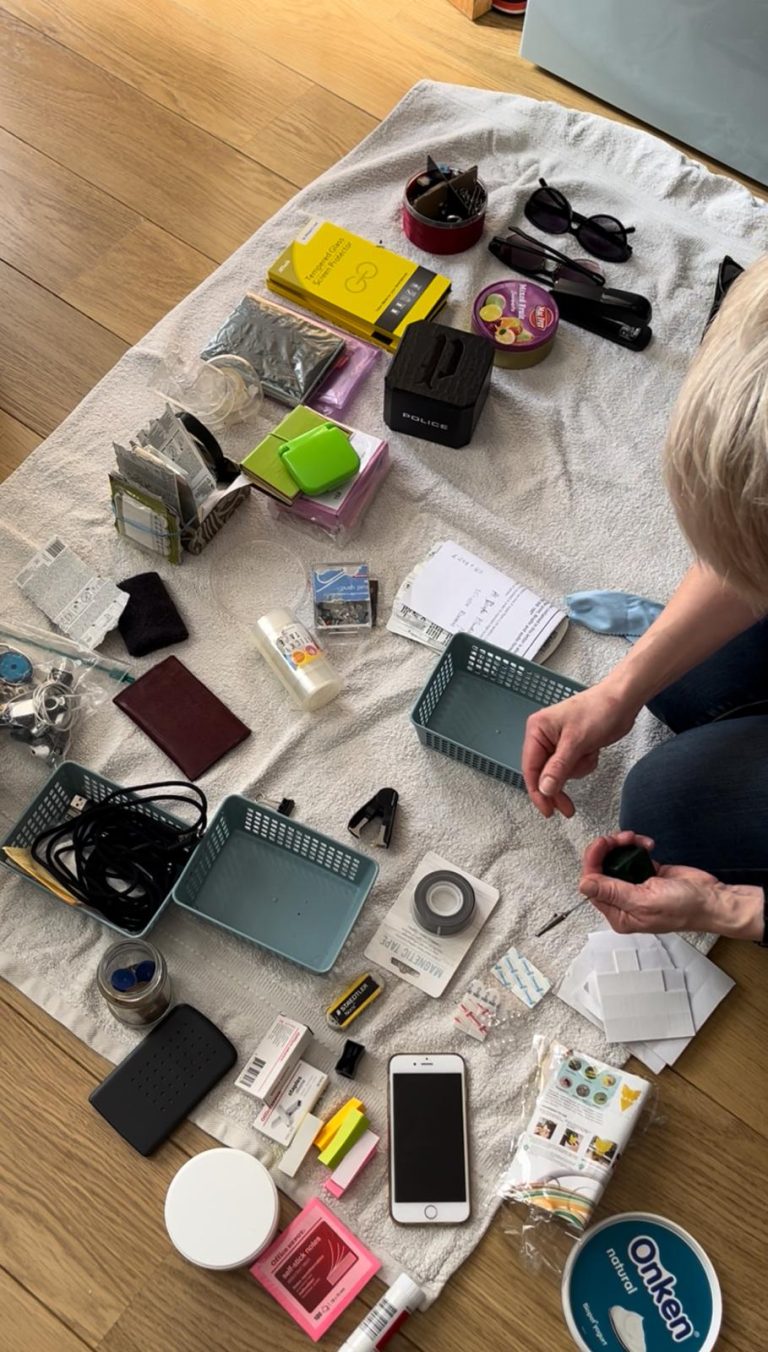
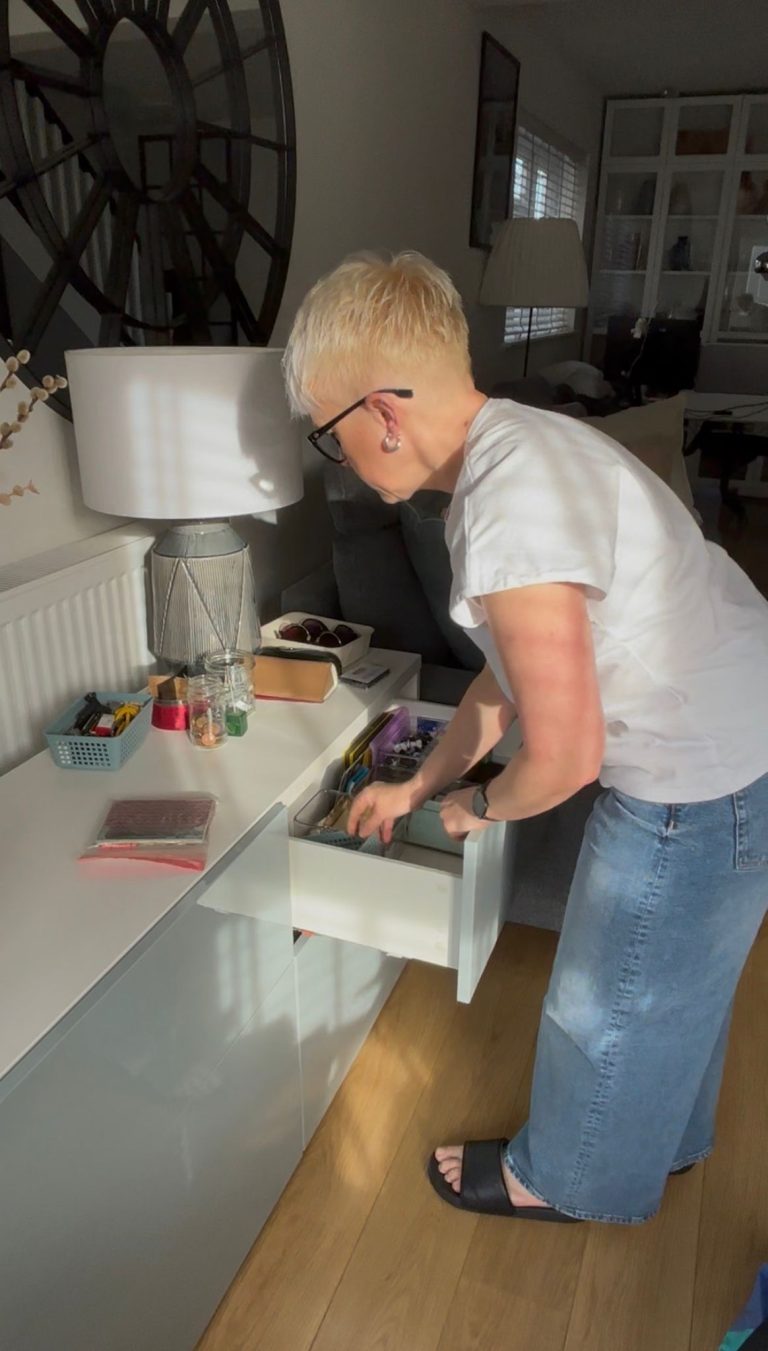
This section is for the small things that often end up in drawers, cupboards, bags or boxes because you are not sure what to do with them.
Start with anything broken, impossible to identify, or kept “just in case” even though you never use it.
91. Chargers or cords that no longer work, or that you cannot identify
92. Old phones, tablets and e-readers kept in drawers
93. Phone cases you do not use anymore
94. Travel mugs or flasks you never use
95. Gift bags or wrapping paper you will not reuse
96. Broken or tangled fairy lights
97. Seasonal or Christmas decorations you no longer like or use
98. Random keys you cannot identify
99. Bags from shops you will not reuse
100. Instruction manuals for items you no longer own
What to Do With the Things You Declutter
Once you have worked through one section, decide what needs to happen next.
- Some things can go straight into the bin or recycling.
- Some things may be useful to someone else and can be donated.
- Anything that needs returning, repairing or passing on should have one clear place to go so it does not end up back on a table, counter or floor.
- Expired medication should usually go back to a pharmacy rather than into your household bin.
The important thing is not to create another pile of things waiting to leave the house.
Finish one small area properly before starting the next one.
Get the Free Printable 100 Things to Declutter Checklist
If you want to work through the list without scrolling through the blog, you can get the printable version.
It includes all 100 items, room by room, with tick boxes so you can choose one section and mark things off as you go.
If you would rather follow a simple plan, my free 28-Day Decluttering Challenge gives you one small area to tackle each day in 10–15 minutes.
Related Articles
28-Day Decluttering Challenge: One Small Area a Day in 10–15 Minutes
If you want a simple plan after using this list, this challenge gives you one small area to tackle each day without turning it into a full-house clear-out.
How to Organize Paperwork at Home Without Creating More Piles
If paperwork is one of the areas that keeps building up, this article will help you create a simpler way to deal with it before it turns into another pile.
How to Organize a Small Closet With Lots of Clothes
If your wardrobe is one of the harder areas to declutter, this article will help you look at what your closet is actually holding and how to make it easier to use.
Meet Ela
Hi, I’m Ela, the home organiser behind Organise with EL.
I help busy women create homes that are easier to manage in everyday life.
I’ve found that clutter usually isn’t just about having too much stuff. Often, it builds up because everyday spaces stop working for the way you actually use them.
That’s why I help women look at what’s really causing the problem and make changes that are easier to maintain.