
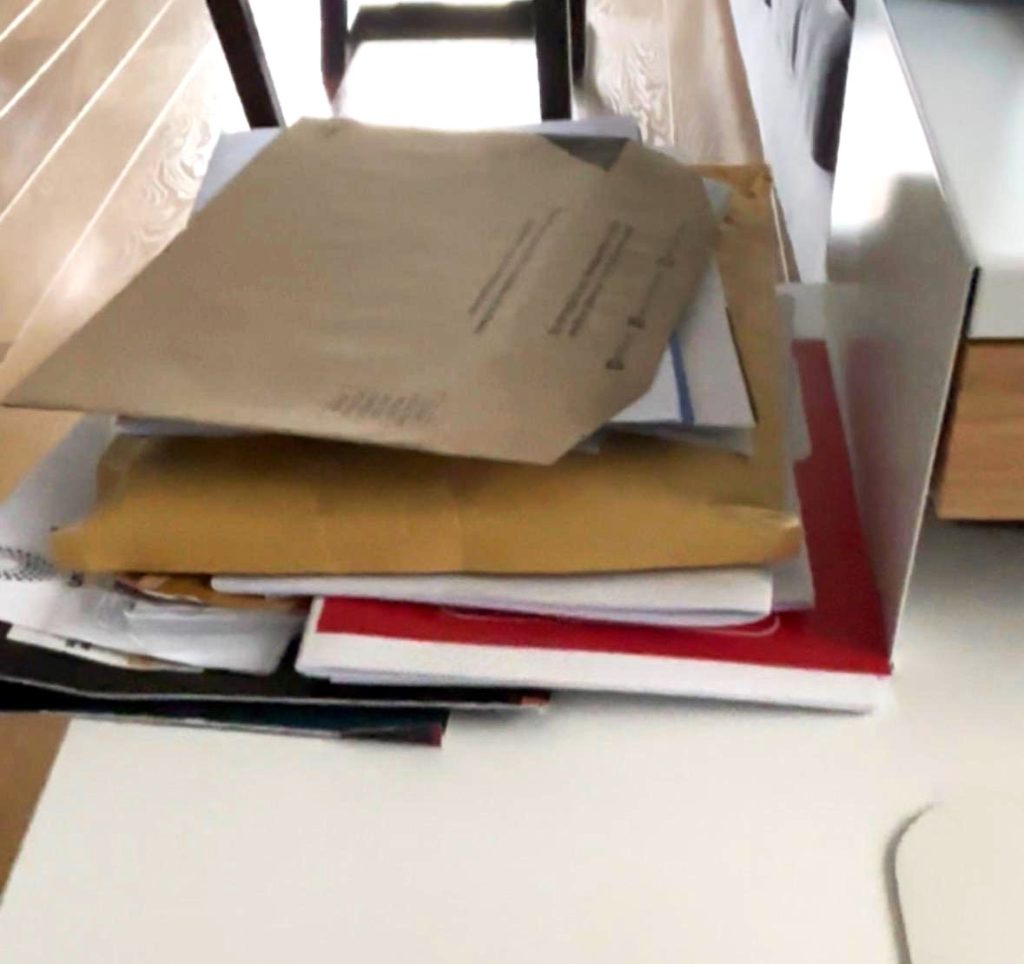
If you’re trying to organize paperwork at home, it has a way of spreading before you realise it.
One letter lands on the kitchen counter because you need to look at it later.
A school form sits on the side because it needs signing.
You put a bill somewhere “safe”.
A receipt stays in your bag.
An appointment letter ends up on the dining table because you don’t want to lose it.
None of it feels like much on its own.
But after a few days, there is paperwork in three different places and you’re not quite sure what needs dealing with, what needs keeping and what can go.
That is usually where paperwork starts to feel heavy. Not because every piece is difficult, but because you end up mixing everything together.
Things that need action sit with things you only need to keep. Papers you can recycle sit next to important documents. Something you needed to deal with last week sits underneath something that arrived yesterday.
So the pile grows, even when you keep meaning to sort it.
Many women start trying to organize paperwork at home only to find that the same papers keep coming back.
And that’s often why paperwork keeps turning into new piles. You clear the old pile, but nothing changes about what happens when the next letter arrives.
Why paperwork keeps piling up at home
Paperwork usually builds up because every piece asks something different from you.
And unlike many other things around the house, paperwork often feels risky to get wrong.
If you’re not sure about an old jumper, you can usually donate it.
If you’re not sure about a letter from the bank, a medical appointment, an insurance document or a school form, it feels safer to keep it.
So paperwork often ends up being moved rather than dealt with.
You move a pile from the kitchen counter to a drawer.
The drawer fills up, so you move some of it into a folder.
Eventually, you put the folder somewhere safe.
But you haven’t really dealt with the paperwork. You’ve simply moved it to a different location.
That’s one reason paperwork can quietly build up over time without anyone noticing.
Different paperwork needs different decisions
Some paperwork needs action.
A form needs filling in. A bill needs checking. A letter needs a phone call. A school slip needs signing. An appointment needs adding to the calendar.
Some paperwork needs keeping.
Insurance documents, medical letters, tax papers, certificates, warranties, bank letters, mortgage or rent information. These are the things you don’t want to lose, but you also don’t need to look at every day.
Some paperwork doesn’t need action right now, but you don’t want to throw it away either.
A receipt in case you need to return something. An appointment letter you’ll need next month. A delivery note you’re keeping for now.
These papers often end up sitting around because you’re not finished with them yet, but you’re not quite sure where to put them either.
This is one reason why it can feel difficult to organize paperwork at home, even when you’re making an effort to stay on top of it.
And some paperwork does not need keeping at all.
Leaflets, old envelopes, duplicate letters, things you have already dealt with, paperwork that is out of date.
How to organize paperwork at home when you already have a pile
Learning how to organize paperwork at home becomes much easier when you start by dealing with the pile you already have.
The goal isn’t to create the perfect home filing system. It’s to create a paperwork organization system that is easy to maintain in real life.
If paperwork has already built up, start there.
Don’t worry about creating a filing system yet. There’s no need to buy folders. And don’t start labelling categories either.
The first job is simply to work out what you’re actually dealing with.
Begin by gathering paperwork into one place.
That might mean collecting it from the kitchen counter, dining table, drawers, handbags, office desk and anywhere else paperwork has ended up.
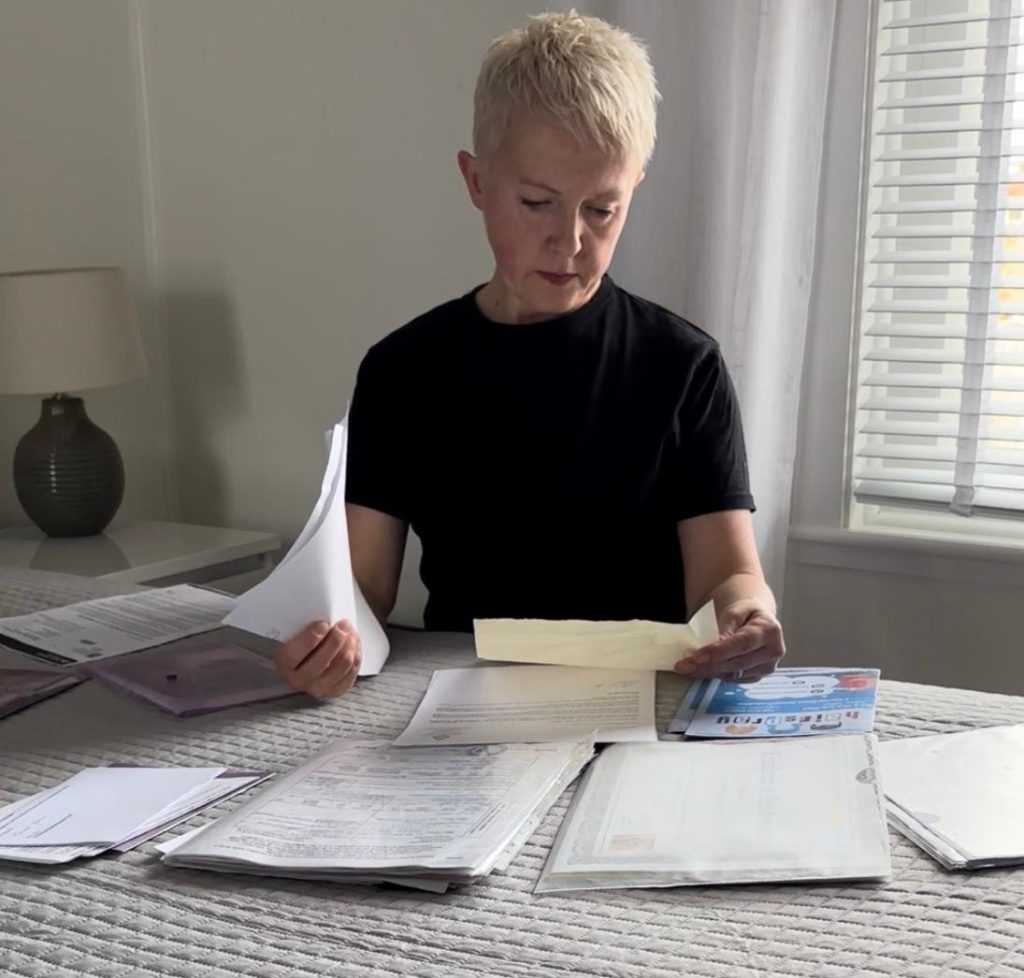
Don’t be surprised if you find paperwork you completely forgot about.
An old appointment letter.
A form that was meant to be returned.
A receipt you’ve been carrying around for months.
That happens more often than people think when paperwork has been spread around different places.
Once everything is together, work through it one piece at a time.
At this stage, keep things simple.
You only need three categories:
Action
Anything that still needs something from you.
A bill that needs paying. A form that needs completing. A school letter that needs signing. An appointment that needs booking. Anything that still requires a decision or action goes here.
Keep
Anything you need to keep.
Insurance documents, medical letters, warranties, certificates, financial paperwork and other important documents can all go into this category.
Don’t worry about organizing it further yet. The goal is simply to separate important paperwork from everything else.
Recycle or Shred
Anything you no longer need.
Old envelopes, duplicate paperwork, leaflets, out-of-date information and papers that have already served their purpose can leave the pile straight away.
As you work through the paperwork, focus on making decisions rather than organizing.
Most paperwork piles become overwhelming because everything is mixed together. Once you separate what needs action, what needs keeping and what can leave the house, the pile usually becomes much smaller and much easier to manage.
You don’t need to finish it all in one sitting either. Even fifteen or twenty minutes can make a noticeable difference if you’re working through the pile and making decisions instead of simply moving paperwork from one place to another.
How to stop new paperwork piles forming
Once you’ve worked through the existing pile, the next step is making sure paperwork doesn’t slowly start building up again.
Many people try to organize paperwork at home by buying folders and storage first, but it’s often easier to start with a simple system for incoming paperwork.
The easiest way to do that is to give new paperwork one place to go when it arrives.
This could be a tray, a basket, a magazine file, a box or even a designated spot on the kitchen counter.
The important thing isn’t what you use. It’s that paperwork stops landing in different places around the house.
- When a letter arrives, you know where it goes.
- School forms have a place to go too.
- Receipts you need to keep can go there as well.
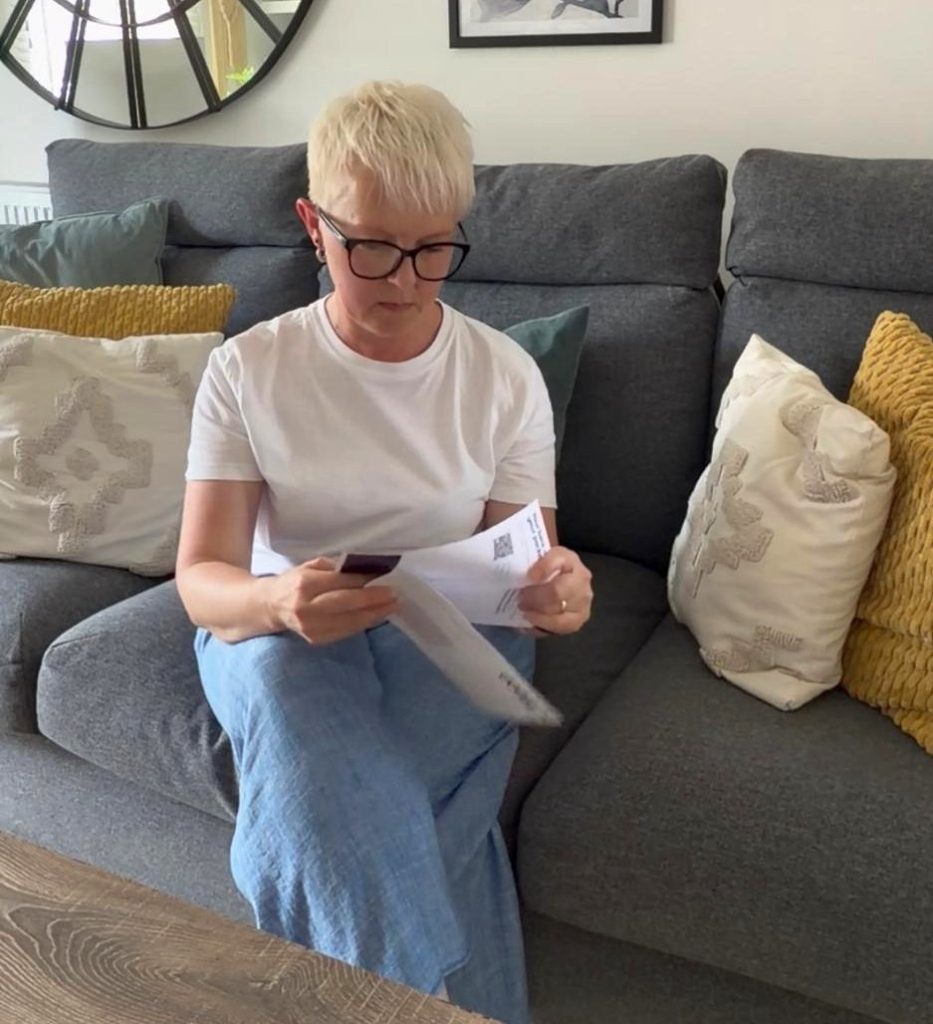
That one habit makes paperwork much easier to keep track of because you’re no longer wondering whether something is on the counter, in a drawer, in a handbag or mixed in with other papers somewhere else.
You don’t need to deal with every piece of paperwork the moment it arrives.
What matters is that it doesn’t get forgotten about.
For example, a school letter might come home on Tuesday and need signing by Friday. An appointment letter might arrive that needs adding to the calendar. A receipt might need keeping until you’ve decided whether you’re returning something.
Those things don’t necessarily need dealing with immediately, but they do need a clear next step.
That’s why having one place for incoming paperwork works so well. Instead of paperwork being spread around the house, you know exactly where to look when you need it.
It also makes it much easier to spot what still needs your attention and what has already been dealt with.
Don’t let the Action pile become another pile.
The Action pile is usually where paperwork gets stuck.
A form needs filling in.
A bill needs paying.
A letter needs a phone call.
It’s easy to put these things aside with the intention of dealing with them later.
The trouble is that when action paperwork sits for too long, it starts attracting more paperwork and another pile begins to form.
You don’t need to clear it every day, but it’s worth checking it regularly and moving things on once they’ve been dealt with.
Once an action has been completed, decide whether the paperwork needs keeping or can leave the house.
That small habit stops paperwork from sitting in limbo for months.
If a letter contains an appointment date, school event or important deadline, add it to your calendar as soon as possible. That way you’re not relying on the paper itself to remind you.
The aim isn’t to stay on top of paperwork every single day.
It’s to stop paperwork sitting around for weeks because nobody has decided what to do with it.
A simple paperwork organization system won’t stop paperwork arriving. There will always be letters, forms, receipts and documents coming into the house.
But when everything has a place to go and a clear next step, paperwork is much less likely to turn into another pile.
How to organize paperwork at home
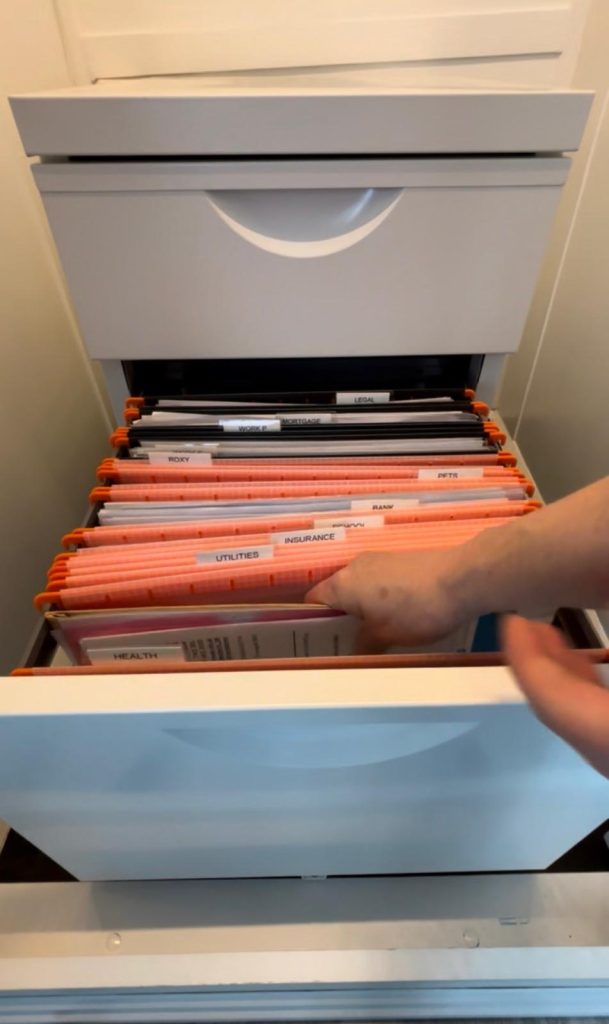
Once you’ve separated paperwork you need to keep, it helps to give it one reliable place to live.
That doesn’t need to be complicated.
The important thing is simply knowing where important paperwork is when you need it.
A simple storage system makes it much easier to organize paperwork at home without constantly searching for documents when you need them.
Insurance documents, medical information, warranties, certificates and other important paperwork are much easier to find when they’re stored together rather than spread across different drawers and cupboards.
You can always create more detailed categories later. To begin with, one reliable home is often enough.
If paperwork tends to build up around your desk or workspace, you may also find these home office organization ideas helpful.
What this means in practice
Paperwork is one of those things that rarely causes problems all at once.
A letter here.
A receipt there.
A form that needs signing.
A document you don’t want to lose.
Over time, those small things build up and turn into a pile that feels much bigger than it really is.
The good news is that paperwork doesn’t need a complicated system.
When you organize paperwork at home using a simple process, it’s much easier to stop new piles forming.
Most of the time, it just needs a clear place to go and a simple next step.
The easier it is to decide what to do with paperwork when it arrives, the less chance it has of turning into another pile.
The same pattern often shows up in other areas of the home too, not just paperwork. Things get moved, postponed or put somewhere “for now” because there isn’t a clear next step. Once you start recognising those patterns, it becomes much easier to see what actually needs changing.
Frequently Asked Questions About Organizing Paperwork
The best way to organize paperwork at home is to keep the system simple. Start by sorting paperwork into Action, Keep and Recycle or Shred, then give new paperwork one clear place to go when it arrives.
Give incoming paperwork one place to land and check it regularly. Paperwork usually turns into piles when it sits around waiting for a decision.
Keep important documents such as insurance information, medical letters, certificates, financial paperwork, warranties and anything you may need for future reference.
You do not need to sort paperwork every day. Checking it once or twice a week can be enough if everything has one place to go and action paperwork keeps moving.
Related Articles
Sorting Documents – Make Life Easier and Get More Done
If paperwork has built up over time and you’re not sure where to start, this guide will help you work through documents and make decisions more easily.
Home Office Organization Ideas – Practical Tips for Busy Women
If paperwork tends to collect around your desk, workspace or home office, these ideas can help create a more functional and easier-to-manage setup.
Does paperwork keep piling up again?
If you’ve sorted paperwork before but somehow ended up with another pile a few weeks or months later, the paperwork itself may not be the real problem.
My free guide Why It Keeps Coming Back will help you understand why the same things keep returning and what to look at first.
Meet Ela
Hi, I’m Ela, the home organizer behind Organise with EL. I help busy women create homes that are easier to manage in everyday life.
I’ve found that spaces like kitchen counters, paperwork piles and overflowing wardrobes usually aren’t just tidying problems.
They’re usually signs that the space isn’t supporting the way you use it every day.
That’s why I help women understand what’s really causing the problem and make changes that work in everyday life.



One Comment